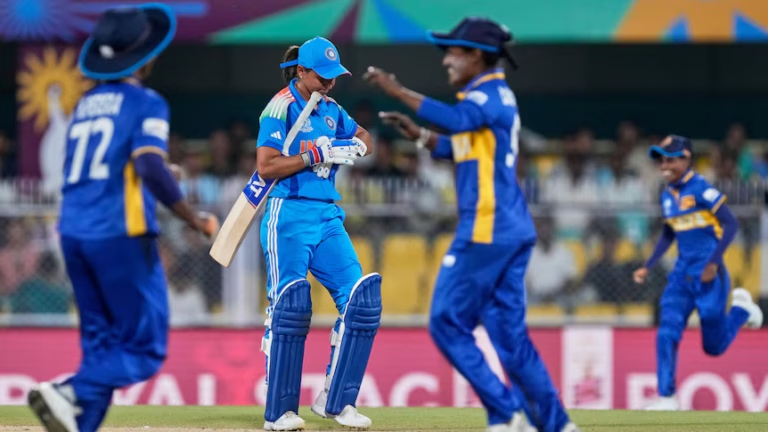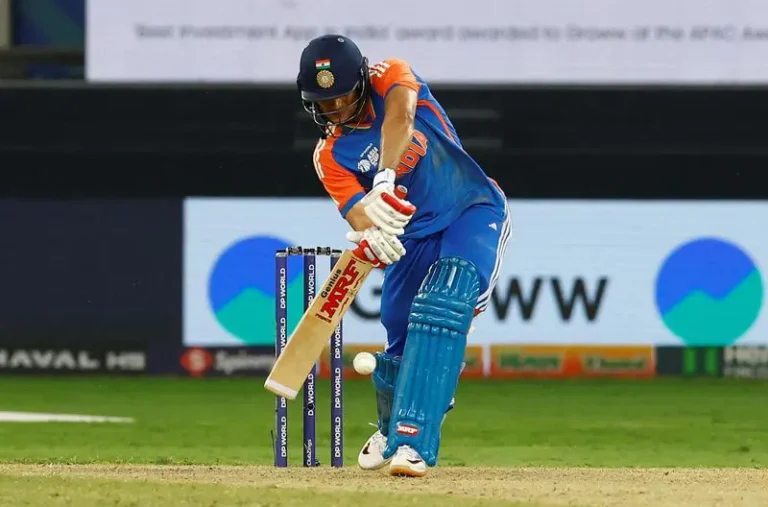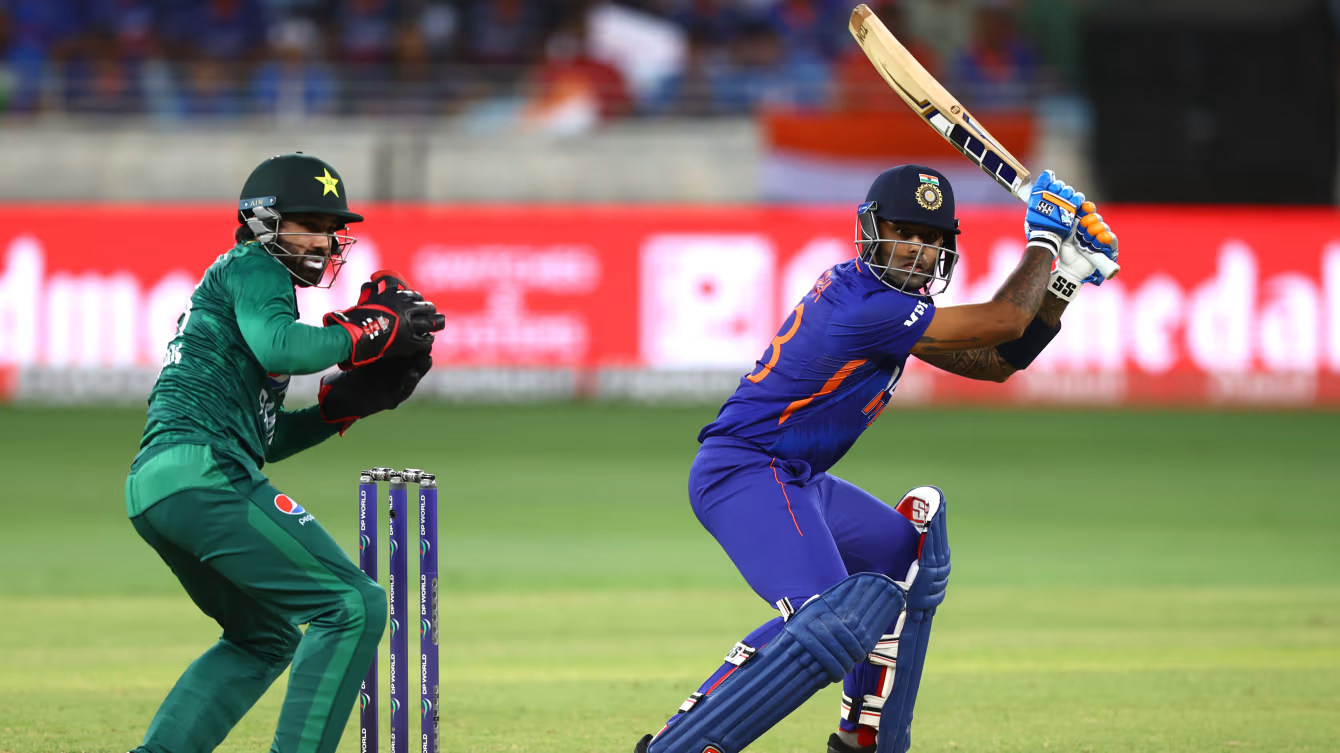
Cricket is as much a mental sport as a physical one. Batting under pressure, bowling in tight situations, and leading a team require psychological strength, focus, and resilience.
Mental Toughness in Batting
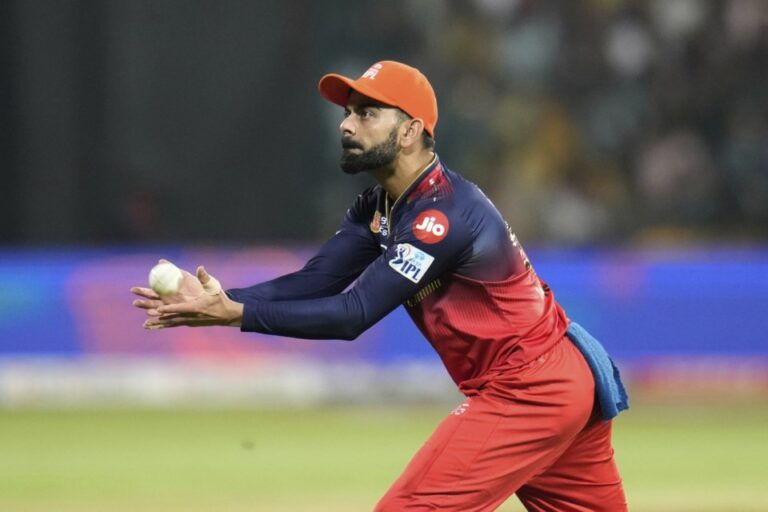
Top batsmen handle immense pressure. Rahul Dravid, known as “The Wall,” anchored innings under testing conditions. Virat Kohli’s ability to chase totals in ODIs demonstrates mental clarity under pressure. Mental toughness includes patience, decision-making, and handling distractions.
Psychology in Bowling
Bowlers face pressure when defending totals or bowling in tight death overs. They must maintain rhythm, adapt to conditions, and execute variations. Bowlers like Jasprit Bumrah and Pat Cummins combine physical skill with mental focus, planning each ball strategically.
Leadership and Team Dynamics
Captains influence mental resilience. Steve Smith, Kane Williamson, and Virat Kohli lead by example, instilling calm and confidence in teammates. Leadership requires reading situations, motivating players, and maintaining composure in high-stakes matches.
T20 Pressure
T20 cricket amplifies pressure with fast-paced games and global attention. Players like Andre Russell and Rashid Khan thrive due to mental agility, adapting to rapid scenarios while executing high-risk shots or deliveries.
Sports Psychology Interventions
Modern teams employ psychologists for meditation, visualization, and focus training. Mental conditioning programs help players manage anxiety, recover from poor performances, and sustain consistency over long tournaments.
Conclusion
The mental aspect of cricket is crucial. Psychological preparation, focus, and resilience determine elite performance. Players who master both mind and body consistently excel, demonstrating that cricket is as much a mental contest as a physical one.
About the Author