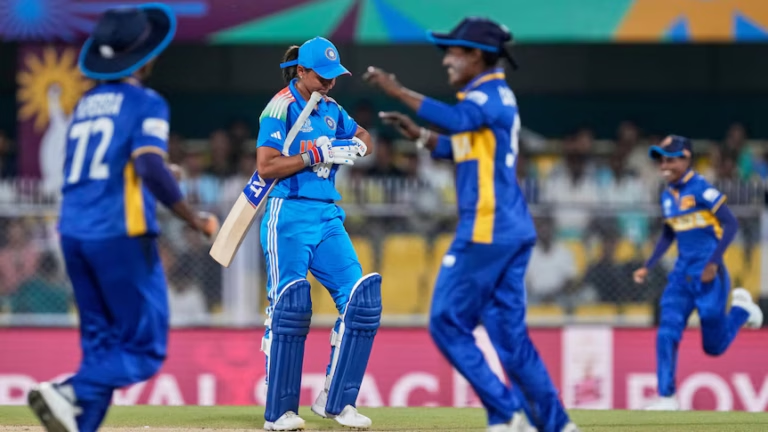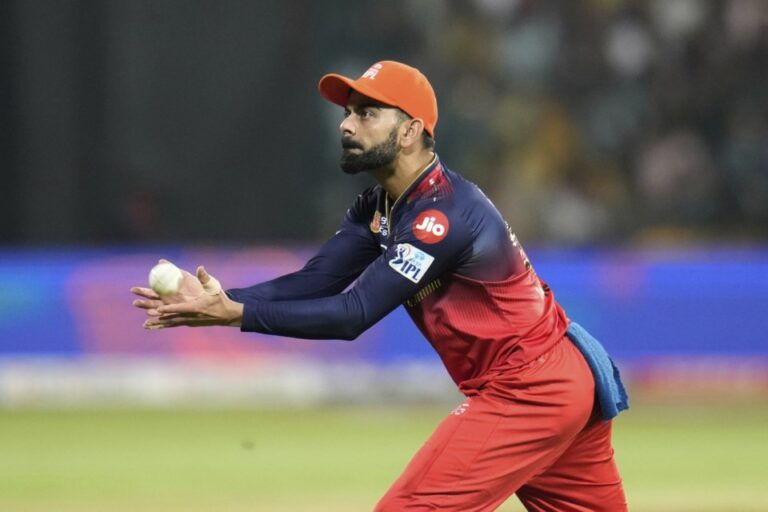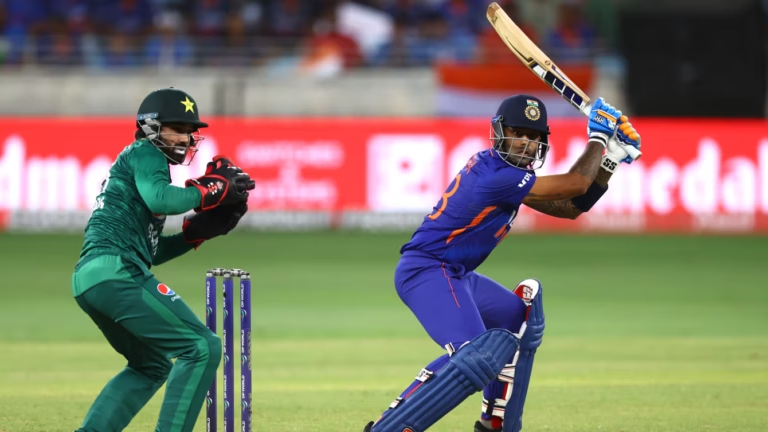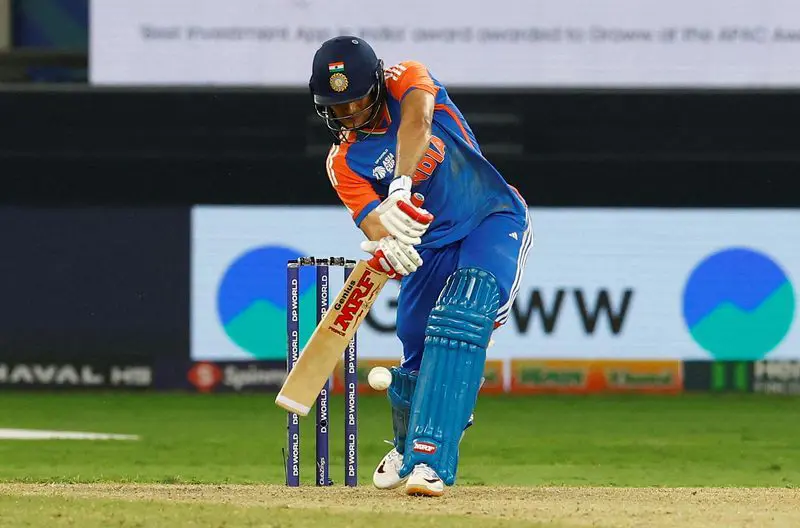
In the last two decades, the rise of T20 cricket has transformed the global landscape of the sport. While Test cricket has remained the traditional pinnacle of skill and patience, the emergence of domestic T20 leagues, such as the Indian Premier League (IPL), Big Bash League (BBL), Pakistan Super League (PSL), and Caribbean Premier League (CPL), has changed the way cricket is played, consumed, and monetized. These leagues have not only entertained millions but also reshaped player development, international scheduling, financial structures, and the overall culture of cricket.
Global Exposure and Talent Development
One of the most significant impacts of T20 leagues is the global exposure they provide to players. Young talents from around the world, including associate nations, now have the opportunity to play alongside seasoned international stars. For example, players like Rashid Khan from Afghanistan rose to global prominence through leagues before making a mark in international cricket. Similarly, lesser-known domestic players gain valuable experience competing under high-pressure situations, learning new strategies, and adapting to diverse playing conditions. This exposure accelerates their development and prepares them for international competitions, strengthening national teams over time.
Moreover, T20 leagues encourage innovation. Players experiment with unorthodox shots, bowling variations, and fielding strategies that they can later integrate into international cricket. The high-intensity environment fosters adaptability and quick decision-making—skills that are increasingly crucial in modern cricket.
Financial Transformation
T20 leagues have revolutionized the financial aspects of cricket. Players can earn lucrative salaries and endorsements, often surpassing their earnings from traditional international cricket. For instance, IPL contracts have made many players financially secure, reducing dependency on central contracts. This influx of money has also allowed cricket boards to reinvest in infrastructure, coaching programs, and grassroots development, creating a virtuous cycle of growth.
The economic impact extends to franchise owners, sponsors, broadcasters, and local economies. Cities hosting matches experience tourism growth, while sponsors benefit from global visibility. Social media and digital streaming amplify the commercial reach, turning T20 leagues into multi-billion-dollar enterprises that rival other global sports.
Impact on International Scheduling
Despite their benefits, T20 leagues pose significant challenges to international cricket. The condensed league schedules often conflict with national team commitments, creating tension between boards, players, and leagues. Star players may be unavailable for Test or ODI matches because of franchise obligations, potentially affecting team performance.
Player workload management has become a critical issue. Participating in multiple leagues across different countries, combined with international duties, increases the risk of injuries and fatigue. Boards and coaching staff now need to carefully monitor fitness, recovery, and rotation policies to maintain performance levels.
Influence on Playing Style and Strategy
T20 cricket has influenced international cricket tactics, particularly in ODIs and even Test cricket. The emphasis on aggressive batting, innovative strokes, and strategic bowling changes has trickled into longer formats. Players like AB de Villiers, Jos Buttler, and Andre Russell have demonstrated how T20 skills can enhance versatility across formats.
Bowlers, too, have adapted by developing variations like slower balls, cutters, yorkers, and deceptive bouncers, originally honed in T20 leagues. Fielding standards have improved dramatically, with athleticism and agility becoming non-negotiable traits for modern cricketers. In essence, T20 leagues serve as laboratories where new ideas are tested before being integrated into the international game.
Cultural and Fan Engagement Impact
T20 leagues have also reshaped fan engagement. With shorter, high-octane matches, cricket has become more accessible and entertaining for a global audience. International players participate in leagues across continents, helping bridge fanbases and creating a global cricketing culture. The league format, with franchises, team branding, and celebrity involvement, has turned players into global icons and made cricket a year-round spectacle.
Digital platforms, live streaming, and social media interactions have intensified fan experiences. Fantasy leagues allow fans to become active participants, enhancing the connection between players and audiences. As a result, cricket’s popularity continues to expand beyond traditional strongholds.
Conclusion
T20 leagues have undeniably transformed cricket. They provide global exposure, accelerate player development, and generate unprecedented financial opportunities. At the same time, they present challenges in scheduling, player workload, and maintaining the balance between formats.
Yet, the overall impact is overwhelmingly positive. T20 leagues have injected dynamism, excitement, and commercial vitality into the sport while influencing international cricket tactics and player skills. As these leagues continue to grow, they will remain a driving force in shaping the future of cricket, ensuring the sport adapts to modern audiences without losing its traditional charm.
About the Author