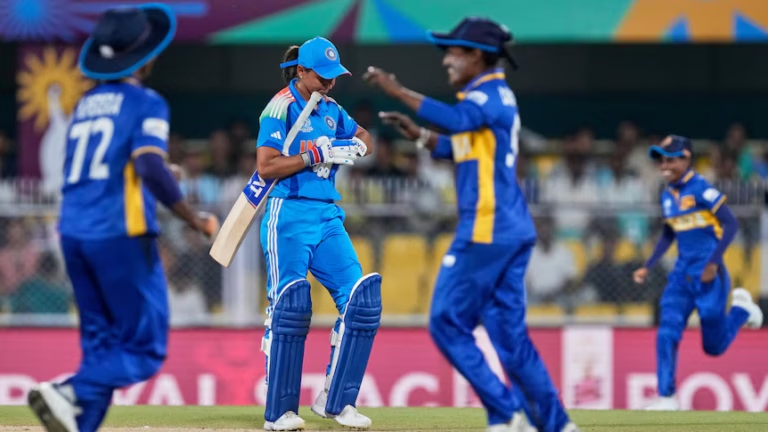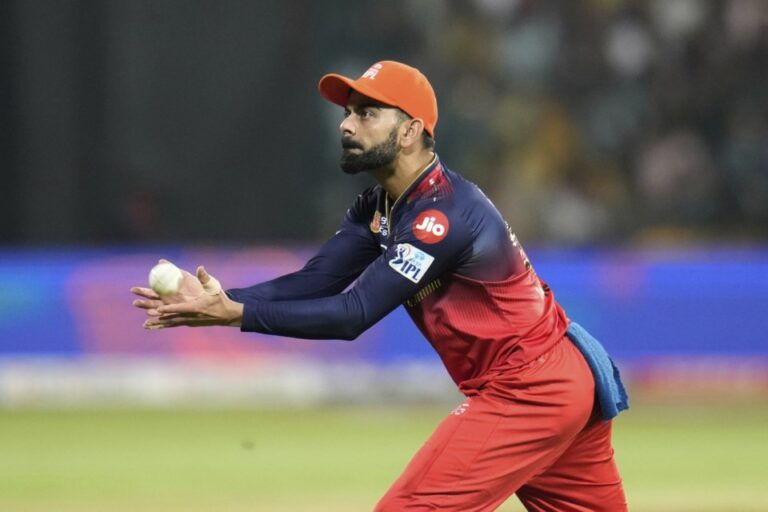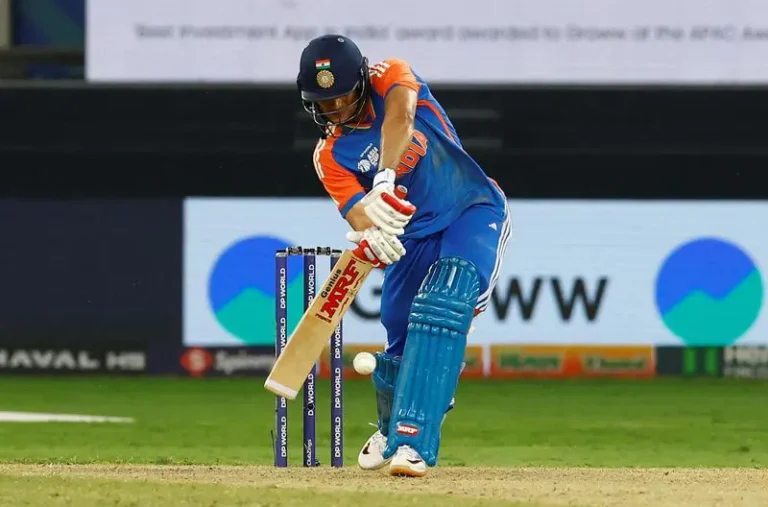
Cricket has always celebrated its heroes, from Sir Donald Bradman to Virat Kohli, Shane Warne to Rashid Khan. Comparing legends across generations is fascinating but complex. Conditions, equipment, competition, and formats vary, making direct comparisons challenging. Yet, analyzing their achievements offers insight into cricket’s evolution.
Batsmen Across Eras
Bradman’s batting average of 99.94 in Tests remains unmatched. He played on uncovered pitches with minimal protective gear, facing the finest fast bowlers of his time. His dominance reflected unmatched technique and mental resilience.
Modern batsmen like Sachin Tendulkar, Brian Lara, Ricky Ponting, and Virat Kohli thrive in an era of fast-paced cricket, advanced equipment, and global scrutiny. Tendulkar’s longevity and adaptability across formats, Lara’s elegance and record-breaking innings, and Kohli’s consistency across all three formats highlight modern batting’s complexity.
Each era had unique challenges: Bradman faced raw pace on unpredictable pitches; modern players face constant international schedules, fitness demands, and high-pressure environments.
Bowling Masters
Spin legends like Shane Warne and Muttiah Muralitharan redefined bowling. Warne’s leg-spin, variations, and deception mesmerized batsmen; Muralitharan’s accuracy and turn made him the highest wicket-taker in Tests.
Fast bowlers like Wasim Akram, Glenn McGrath, and James Anderson dominated with swing, seam, and precision. Modern pacers such as Pat Cummins and Jasprit Bumrah combine raw speed with biomechanics and analytics, showing cricket’s evolution into a science-driven sport while preserving artistry.
Formats and Their Influence
Earlier generations focused on Tests, emphasizing patience and technique. Today, cricketers play Tests, ODIs, and T20s, requiring versatility. T20 cricket rewards innovation and adaptability, favoring players like Andre Russell and Rashid Khan. Each format tests distinct skills — endurance, consistency, or improvisation. Comparisons must consider these differences.
Mental Toughness
Mental resilience separates great players from legends. Bradman carried Australia’s expectations during the Great Depression. Rahul Dravid anchored innings under pressure, earning “The Wall” nickname. Modern stars like Kohli, Smith, and Williamson face constant media and fan scrutiny, requiring exceptional composure.
Legacy
Legends are remembered not just for stats but for inspiration and influence. Bradman gave hope to a nation, Tendulkar united India, Warne revolutionized spin, Lara amazed with artistry. Their impact extends beyond performance, inspiring players and shaping cricket’s global culture.
Conclusion
Comparing cricket legends celebrates the sport’s diversity and evolution. Each era produces icons whose brilliance transcends numbers. From Bradman to Kohli, Warne to Rashid Khan, legends reflect cricket’s history, challenges, and enduring appeal.
About the Author